

Security of Payment in Australian Construction: Contractor Rights and Adjudication
Summary
Security of payment legislation exists in every Australian state and territory to protect contractors and subcontractors from non-payment. This article explains the adjudication process, payment claim requirements and key differences across jurisdictions.
Key Takeaways
- Every Australian state and territory has enacted security of payment legislation that provides contractors and subcontractors with a rapid adjudication process to recover progress payments outside the court system.
- In Queensland, the Building Industry Fairness (Security of Payment) Act 2017 (Qld) governs payment claims, payment schedules and the adjudication process, with an adjudicator required to determine applications within 10 to 15 business days.
- Failure to provide a payment schedule within the prescribed timeframe (generally 15 business days in Queensland) results in the respondent becoming liable for the full claimed amount and limits the reasons it can raise in adjudication.
- Queensland's regime includes mandatory project trust account (PTA) and retention trust account (RTA) requirements for certain construction projects, with non-compliance constituting a serious offence.
- Strict compliance with statutory requirements for payment claims and payment schedules is essential; defective documents may be challenged and set aside, and missed deadlines can be fatal to a party's position.
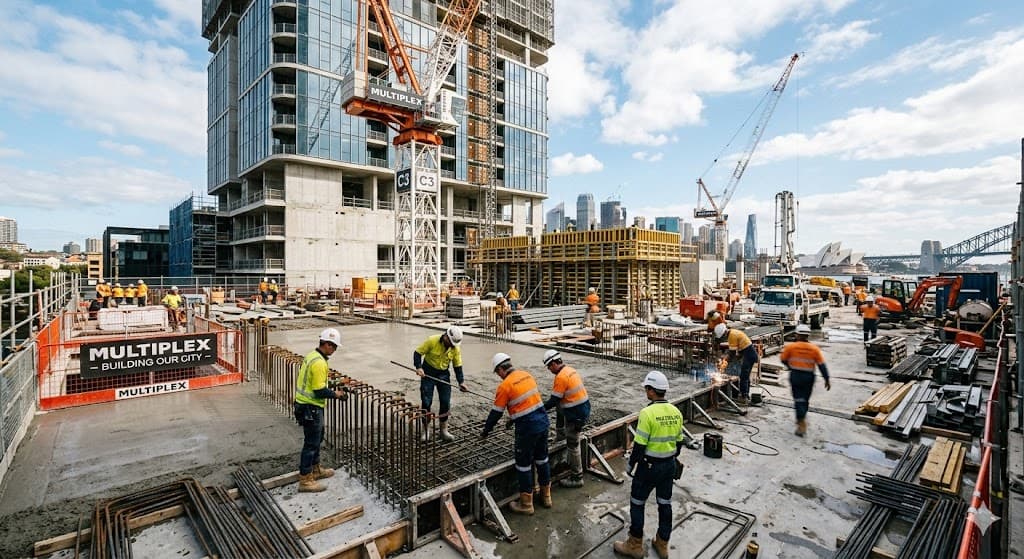
Non-payment is a persistent problem in the Australian construction industry. To address this, every state and territory has enacted security of payment legislation that provides contractors, subcontractors and suppliers with a rapid adjudication process to recover progress payments without the delay and cost of court proceedings. In Queensland, the Building Industry Fairness (Security of Payment) Act 2017 (Qld) ("BIF Act") governs this regime. At Astris Law, we act for both claimants pursuing payment and respondents defending adjudication applications across the construction sector.
Need to recover payment on a construction project - or defending an adjudication? We act for contractors and principals under security of payment legislation. Call +61 7 4270 8880.
What Is Security of Payment Legislation?
Security of payment laws create a statutory right to progress payments for construction work performed or related goods and services supplied. The legislation provides a fast-track adjudication process that sits outside the court system, allowing payment disputes to be resolved in weeks rather than months or years.
The key security of payment statutes across Australia are:
- Queensland: Building Industry Fairness (Security of Payment) Act 2017
- New South Wales: Building and Construction Industry Security of Payment Act 1999
- Victoria: Building and Construction Industry Security of Payment Act 2002
- Western Australia: Building and Construction Industry (Security of Payment) Act 2021
- South Australia: Building and Construction Industry Security of Payment Act 2009
While the core principles are similar, each jurisdiction has its own rules regarding timelines, payment claim requirements and adjudication procedures. This article focuses primarily on the Queensland regime.
Payment Claims under the BIF Act
The process begins when a contractor or subcontractor serves a payment claim on the party who engaged them (the respondent). Under the BIF Act, a valid payment claim must:
- Be in writing and identify the construction work or related goods and services to which the claim relates
- State the claimed amount
- State that it is made under the BIF Act
- Be served on the respondent in accordance with the Act
Strict compliance with these requirements is essential. A payment claim that does not meet the statutory requirements may be invalid and incapable of founding an adjudication application.
Payment Schedules: The Respondent's Obligation
Once a payment claim is served, the respondent must provide a payment schedule within the prescribed timeframe (generally 15 business days in Queensland, though contracts may specify a shorter period). The payment schedule must:
- Identify the payment claim to which it relates
- State the amount the respondent proposes to pay (which may be zero)
- If the scheduled amount is less than the claimed amount, state the respondent's reasons for withholding payment
Failure to provide a payment schedule within time has serious consequences. The respondent becomes liable to pay the full claimed amount and is limited in the reasons it can raise in an adjudication.
The Adjudication Process
If the claimant is dissatisfied with the payment schedule (or the respondent fails to provide one), the claimant may apply for adjudication. The adjudication process under the BIF Act operates as follows:
- The claimant lodges an adjudication application with a registered adjudication authority (such as QBCC Adjudication Registry)
- An adjudicator is appointed to determine the dispute
- The respondent may lodge an adjudication response within the prescribed timeframe
- The adjudicator makes a determination on the papers - there is generally no hearing
- The adjudicator must determine the application within 10 business days (or 15 if complex)
An adjudication determination is binding on an interim basis. If the respondent fails to pay the adjudicated amount, the claimant can enforce the determination as a judgment debt or exercise suspension of work rights.
Trust Account Requirements in Queensland
A distinctive feature of the Queensland regime is the project trust account (PTA) and retention trust account (RTA) requirements introduced by the BIF Act. For certain construction projects (determined by value thresholds), the head contractor must hold progress payments and retention amounts in statutory trust accounts for the benefit of subcontractors. Non-compliance with trust obligations is a serious offence.
Common Pitfalls
- Missing deadlines: The timeframes under security of payment legislation are strict and non-negotiable. Missing the deadline to serve a payment schedule or lodge an adjudication application can be fatal to a party's position
- Invalid payment claims: Payment claims that do not comply with the statutory requirements may be challenged and set aside
- Inadequate payment schedules: A payment schedule that does not state reasons for withholding payment in sufficient detail may limit the respondent's ability to raise those reasons in adjudication
- Jurisdictional errors: The legislation applies to "construction work" as defined in the Act. Not all work on a construction site is construction work, and disputes about whether the legislation applies can derail an adjudication
Conclusion
Security of payment legislation provides an essential safeguard for contractors and subcontractors in the Australian construction industry. The adjudication process is designed to be fast, cost-effective and binding on an interim basis. However, the strict compliance requirements and short timeframes mean that errors can be costly. Whether you are preparing a payment claim, responding to one or facing an adjudication application, Astris Law's dispute resolution team can advise on strategy and ensure compliance with the applicable legislation.
This article is for general information purposes only and does not constitute legal advice. You should seek professional advice tailored to your specific circumstances before acting on any information in this article. Liability limited by a scheme approved under Professional Standards Legislation.